We use search engines almost every day, but do we know how it really works?
Let me briefly explain the role of search engines and the purpose of SEO.
Role of Search Engine
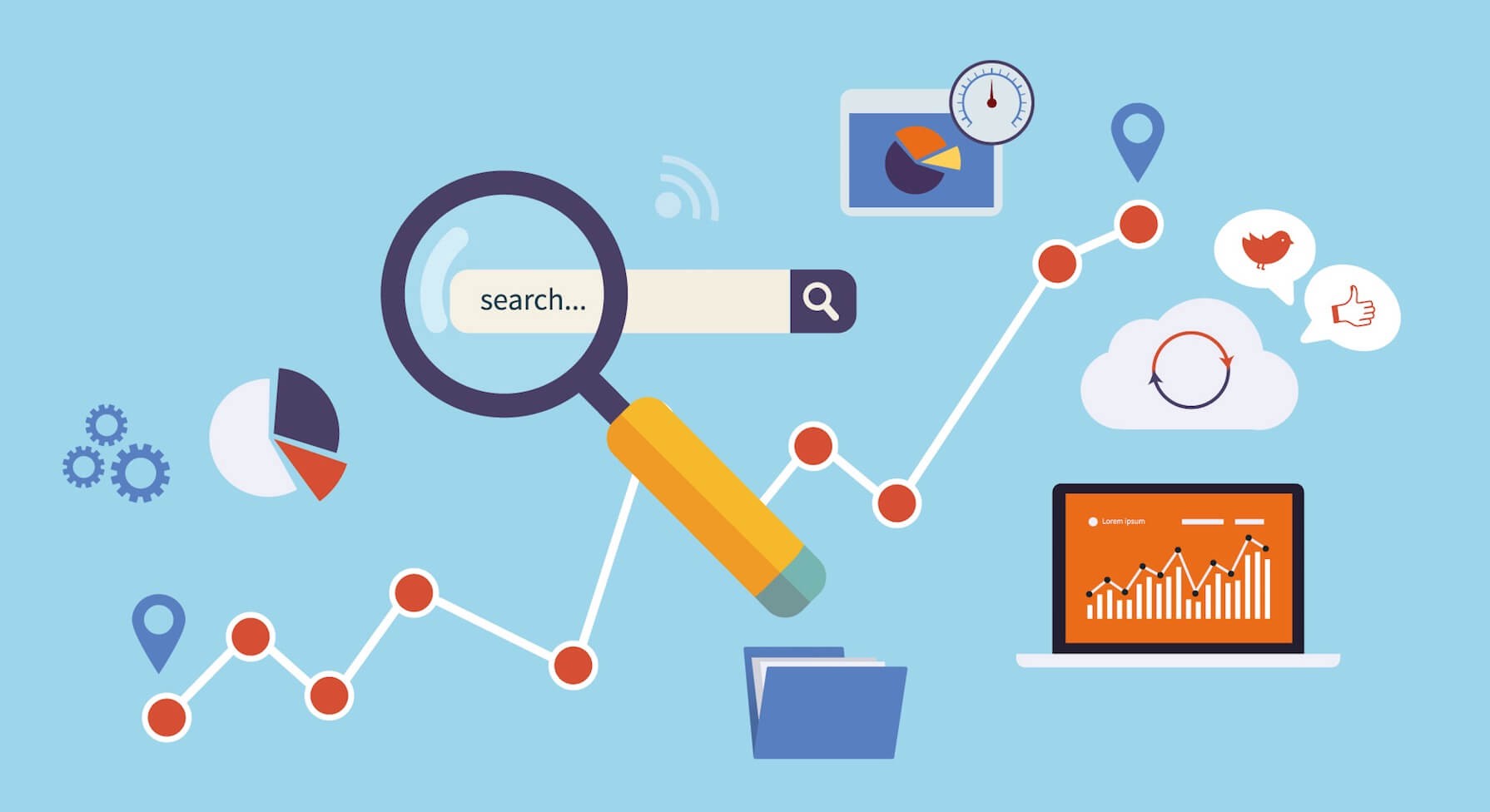
Search engines exist to help people find information on the web. When a user inputs keywords into the engine, it brings up relevant results that link to the input. Some examples of search engines are Google, Yahoo, Bing and Opera. They all use similar algorithms to trawl the web to find content that relates to the combination of keywords put in by the user.
Purpose of SEO
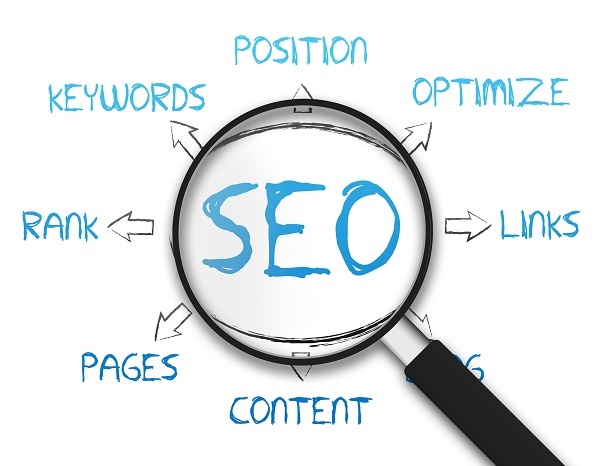
Search engine optimization (SEO) is the process where people make sure their websites are appealing to the search engine’s algorithm. The main idea behind SEO is to make content on your website relevant to keywords inputted by users, so that the search engine’s algorithms will pick it up. If people want to find information about a certain keyword, you can use a variety of tactics which will help your site appear higher on the search results.
The ultimate goal of SEO is to increase a website’s visibility, so that you can bring the right people in from the search engine. When search engine visitors see that your site meets their expectations after they find you on a web search, this means your SEO is working . If visitors are disappointed, this means your SEO efforts aren’t bringing your webpage onto the right searches.
Future of SEO
There are a lot of uncertainties as to what lies ahead for SEO, but field experts have made some predictions about the future of this industry.

Speed is the key. Many think that SEO is just about site speed, when in fact there are a lot more variables at play. With the rapid increases in consumer technology, we’re connected everywhere we go. This allows users to adopt a fast-paced and ‘on-the-go’ mindset. Therefore, if your site and content can’t be quickly accessed, it will be overlooked. This is the harsh reality that faces search providers, that they need to give users exactly what they are looking for, in the shortest time possible.

Voice search has also become popular in recent years, such as Google Home, Amazon Alexa and Siri. Experts predict that SEO companies need to start accounting for this by reworking site content to directly answering questions someone may ask Siri out loud instead of just keywords. Google has already started to take this change into account on the search results page. Google’s Direct Answers pulls Q&A content from sites and displays it higher above the rest of the search results, increasing traffic and awareness.

 DiGiTure
Gaining awareness is a small part of a bigger picture (of getting people to subscribe to a service or to purchase a product). I believe instead of entangling oneself in the neverending chasing of the best possible algorithm, firms should focus on brand reputation and quality of product/service to capture consumers better such that SEO won’t be a determining factor. That would also make marketing easier as well.
LikeLike
Hey Jamie, thanks for sharing your thoughts! Agree with your point that company’s product and reputation is definitely the key. However, I would think that SEO plays a big role as well in value-adding, can you imagine if your product is so good but does not get the necessary ‘air-time’? They would potentially lose out opportunities to its competitors.
LikeLike
I agree with Jamie’s comment!
In the end, if you want to be well known, what matters most is not the advertisement but the actual quality of the product and/or service. Humans are greedy by nature, and they will find what is good even if you don’t announce it to the world.
To give a couple of examples, how much money do you think a small shop like Lana’s (chocolate cake) spent on advertisement? Probably not a lot, if any. Yet there was such a pouring of emotion when Singaporeans realised it was going to be closed, and such happiness when the son took over the business.
Another example would be the Mala place at clementi we always eat at. It’s good, cheap, so we go to it a lot and it’s always crowded. Yet I don’t think they spend on advertising, humans just spread good things through word of mouth.
Advertising and getting search traffic is a means to an end, and is definitely a powerful tool in getting more consumers to find you. But the most important thing as mentioned earlier is the end result, ur product’s/service’s quality, will be the main ‘make-or-break’ factor in today’s world!:)
LikeLike
Hi again Isaac,
Thanks for being a loyal follower. HAHA. Anyway, appreciate how you used real life examples. And I agree that it boils down to the product at the end of the day but we shouldn’t discount the fact that SEO is a powerful tool and it’s definitely a valuable complement to company’s product.
LikeLike
SEO was really popular a few years ago, but Google’s increasing frequency of updating their search algorithms for their engine has started to make the costs of SEO optimization outweigh the benefits to revenue. Furthermore, increases in online spending has started to become more concentrated on third-party websites like Amazon, with less people going through google first. With these shifts, it may become infeasible for small independent operators, especially in the retail business, to rely on SEO as a reliable way of boosting revenue. Eventually, they may need to go to websites such as Amazon or Etsy. This trend could even find its way eventually to the food industry as market power concentrates to a few big third-party sites.
LikeLike
Hey Kes, I do agree with you that companies should re-evaluate on whether if it is really feasible and cost effective for their companies to use SEOs, especially SMEs because the cost invest may not yield significant returns.
LikeLike