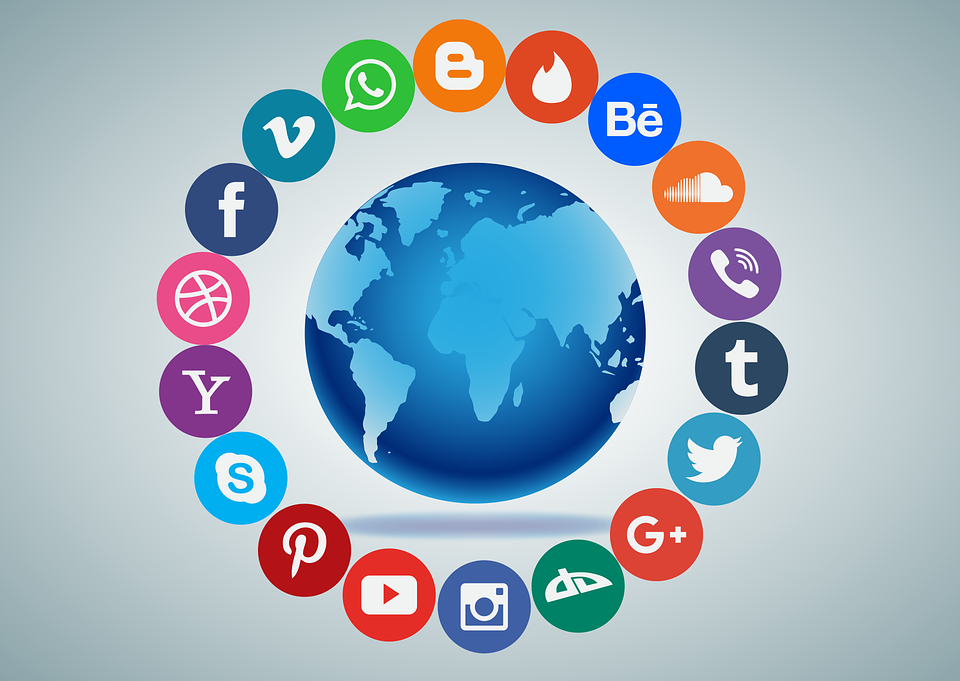
The ability to distinguish between real or fake content has been diminished due to the deregulated market that has come about from Facebook news feeds or Twitter dashboards. Regular users are unable to tell legitimate content from fake news or between real and fake users. The ease of utilizing the internet and advancements in user scripts increase the amount of fake user being created.

Furthermore, the user pool is so large that companies will gleefully jump at the chance to tap into the 3 billion people on social media. As people look towards measures like follower count to determine legitimacy, the increase in fake accounts unfairly promotes some products by manipulating user trust in such metrics.
This problem has been exacerbated by the rise of a industry built on selling likes and endorsement through social media accounts with widespread influence. Everyone wants to be popular and naturally would follow advice or products promoted by popular accounts. It would then seem natural that if such an industry exists, fake accounts should be purged. However, read on to find out why this is not the case and social media platforms are not very concerned about this.
Decrease Superiority of the Social Media

Firstly, these fake accounts pad the numbers of estimated users of their service. Part of their marketability is due to their widespread outreach of users. Therefore, policing these spam accounts would decrease the number of supposed users on the platform and decrease their supposed superiority.
Cost to Regulate Fake Accounts/Users
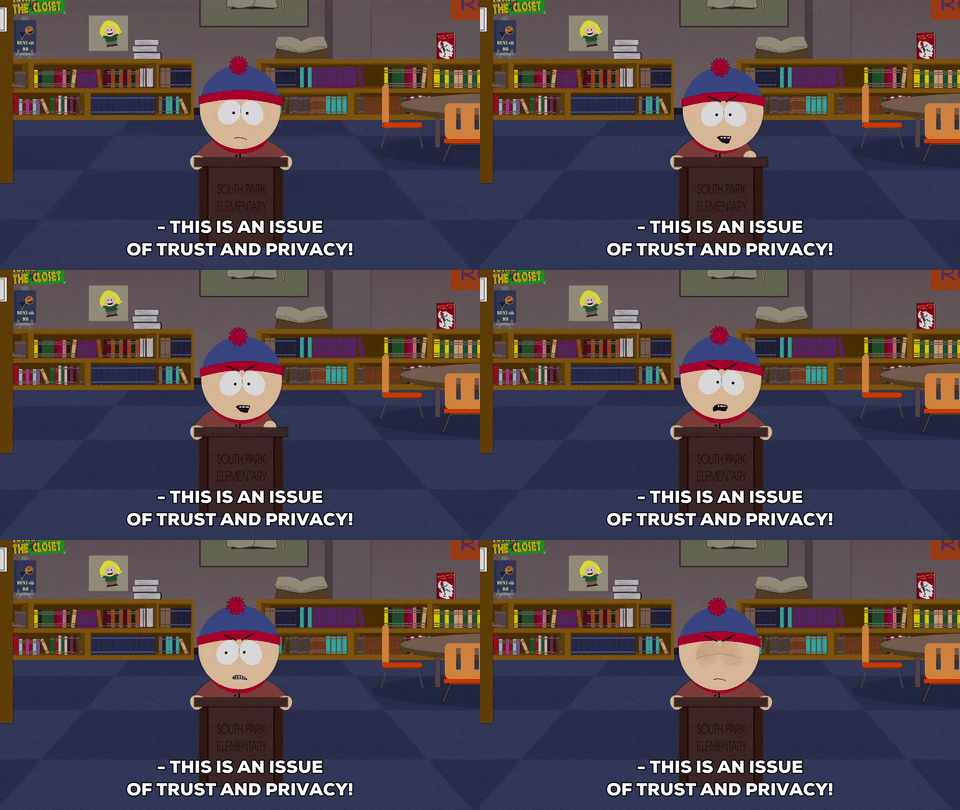
These platforms would not only lose revenue, but incur increased costs to catch and regulate fake accounts. Facebook has stated that “it is simply not feasible to review over 1 billion profiles to locate a single user who may be lying about his or her name. No technical program or mechanism exists to prevent an individual from lying about his or her identity and/or age.” However, the creation of fake accounts would be easier to spot than changing one’s age, as a lack of factors such as posts and the date of creation relative to the supposed age. They could also flag out duplicated names and review these through a similar process like their content moderators.
A similar safeguard is in place by Amazon, which double-checks the card number tied to accounts to ensure there is no duplication. Therefore, the reasons above are not good reasons for Facebook and twitter to turn a blind eye to the issue. These platforms have a responsibility for legitimate customers to receive accurate recommendations, and for legitimate content creators to have a fair marketplace to compete in.
How it affect consumers?
Firstly, allowing these fake accounts to remain active creates an environment that allows companies to unfairly exploit users. The users on Facebook and twitter assume that interactions and endorsements on posts are by actual people. If a post gathers 10,000 likes, the first thought by most users is not “how many of these 10,000 likes are fake accounts?”. As system administrators, platform providers like Facebook and twitter have a responsibility to regulate unfair behavior towards consumers.
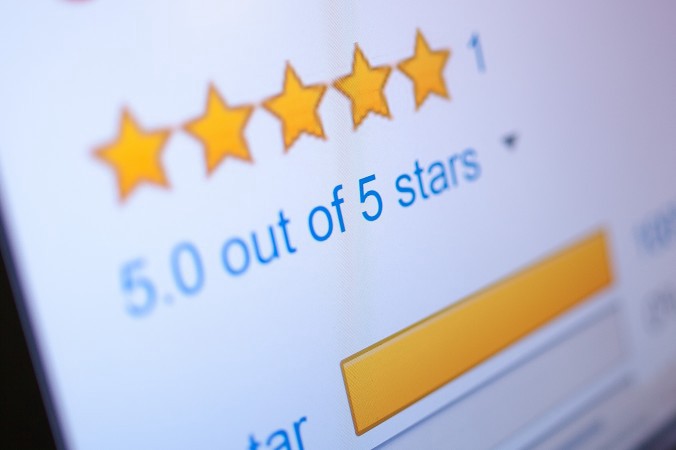
Secondly, allowing these fake reviews may undermine the inherent trust in a peer-review based system that many online businesses rely on. Fake users may reduce future consumer trust in products and services offered online, as the reviews may not be legitimate. A movement on twitter in 2015 through the hashtag #noreceiptnoreview aimed to filter out fake reviews on TripAdvisors. This campaign aimed to increase the verifiability of reviews on the site, and asked users to verify their review with a scanned receipt of the establishment they are reviewing
FOOD FOR THOUGHTS

- How much should governments hold these social media companies accountable in regulation of the online market? OR
- Do you think that Facebook should do more to delete fake accounts?”







 DiGiTure