It is almost impossible to imagine life without screens, isn’t it?

A few decades ago, it was hard to gain access to social media and people did not find the need to use it, needless to say to even own a device. However, by 2019 the number of mobile phone users are expected to surpass the 5 billions mark with an upward trend in the subsequent years. Furthermore, with the rise of screen time usage it will lead to many potential health problems.
With the increase of users, this has led to two other increase which is the usage rate and content generation and sharing.
There has been an exponential increase in the use of social media platforms such as Facebook, Twitter, and LinkedIn. Facebook alone had 2.27 Billion monthly active users in the 3rd quarter of 2018.
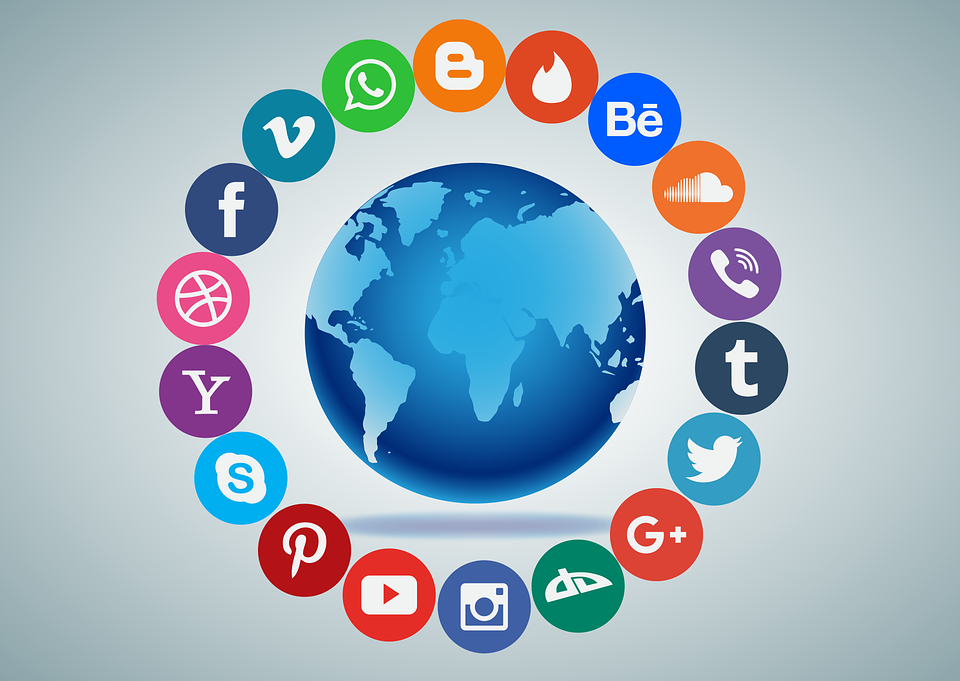
Subsequently, the increase in use has led to a corresponding increase in user-generated content and a increased reliance on user-shared content for news and updates. Newsfeed-based applications are increasingly being relied on by their users instead of traditional sources such as newspapers or Television. However, the fact that such sites are driven by user-shared content means people have less control over the sources of their news, and decreases reliability.

There are 2 major consequences from this shift towards social media-driven news. Firstly, there has been an increase in the spread of fake news through such social media sites. A high profile case recently was the alleged use of fake articles to influence the 2016 US presidential elections by Russian hackers. This shows the severe impact that a site previously used for a social function can have on a Country. There was a corresponding inquiry and reaction by the US government, and indeed several other countries have introduced new legislation to combat such news, including Singapore.
Secondly, the shift in the medium for news has led to people having shorter attention spans. The number of people relying solely on newspapers or the nightly news has decreased and many people supplement their news with inputs from social media. People, especially the younger generation now have a preference for bite-sized news updates and this feeds even more into the increase in social media usage.

Therefore, the question at the end of this must be: is the increase in convenience through this new model of news compromising the quality and accuracy of news we are exposed to?

 DiGiTure
If users bothered to check thr accuracy of the news that they share, fake news wouldn’t be that rampant. Unfortunately not all users r discerning.
LikeLiked by 1 person
I think what you highlighted is exactly the problem that allows for the increase in unreliable news sources filling social media feeds. Users now assume that they can filter out the fake news but actually it is much harder than believed.
LikeLike
Yes, I definitely agree with you what you said. Basically what most people do is when they see the news, if they find it “interesting” or “amusing”. people will start sharing it without checking whether the content is accurate or not.
LikeLike
Alternative facts and fake news are just other names for propaganda.
LikeLiked by 1 person
This new model of news has definitely affected the quality of news we are exposed to. By allowing anonymity, there is little or no accountability with regards to what is being shared amongst the various platforms. That being said, the accessibility of news websites to us also acts as a counter-check on the accuracy of news available, as there will be “keyboard vigililantes” to question the integrity and purpose of the articles online. All in all, the proliferation of social media platforms has definitely improved the way we are able to access real time news, although the accuracy of such news definitely leaves much to be desired.
LikeLiked by 1 person
With every technological shift, there will always be perceived advantages and disadvantages. The internet and social media has allowed anyone and everyone to post their opinions and takes about literally anything, as seen from the abundance of opinion pages, talk shows, etc.
Perhaps the pertinent matter would be WHAT we choose to expose ourselves to, since there is an abundance of both ‘real’ and ‘fake’ news.
Even from traditional media sources such as TV and newspapers, whether or not they are ‘accurate’ is subjective to the views of the viewers. The vast majority of conservative Americans are in love with Fox News, whereas liberals see it as a propaganda suck up to the president. Similarly in Singapore the citizens against the PAP will find any excuse to find fault with them, hence they would be more approving of critical news of the government, or articles that paint them in a bad light.
On the matter of quality, it’s a similar issue as accuracy, although news from traditional sources tends to obviously be better edited and presented.
One could argue that regardless whether we get our news from traditional or new sources, what’s more important is the critical thinking and analysis we do with our news sources, and being exposed to varied sources would allow news consumers to better form their own judgements of whatever newsworthy thing has happened
LikeLiked by 1 person
News are now what we believe in when we read, instead of it actually being facts. Reliability of the source among other factors are what we were taught to look for when doing a report but we all know it is such a pain in the ass to actually verify the credentials. Convenience of news may keep the younger generations in the loop, but I believe more often than not people read headlines and perceive the news inside rather than actually reading the whole story. And headlines are craftily misleading most of the times especially on websites that serves specific agendas particularly political. It will be good for everyone to not just take news as it is through just one source but cross check with multiple. With the convenience of news now, I believe it is of ease.
LikeLiked by 1 person
In the current age where algorithms rule our social media preferences, our point of view is constantly being reinforced through our newsfeed. Only when what we have a choice of what appears in our feed, then we will be able to distinguish fact from a fake news.
LikeLike
“Is the increase in convenience through this new model of news compromising the quality and accuracy of news we are exposed to?”
Definitely. People tend to believe in only what they WANT, instead of verifying the news. Take those whatsapp scam messages for example, like giving freebies away perhaps, people tend to forward those messages immediately right after they read thinking that sharing is caring, however they may have forward a virus unknowingly.
Overall, I had a good read of your post. Looking forward to more of your posts! Cheers! (:
LikeLike
Thanks for sharing your view. I agree with you and personally, I receive the same kind of scam messages but usually I tend to ignore it because to me some things sounds too good to be true to believe in.
LikeLike