It is almost impossible to imagine life without screens, isn’t it?

A few decades ago, it was hard to gain access to social media and people did not find the need to use it, needless to say to even own a device. However, by 2019 the number of mobile phone users are expected to surpass the 5 billions mark with an upward trend in the subsequent years. Furthermore, with the rise of screen time usage it will lead to many potential health problems.
With the increase of users, this has led to two other increase which is the usage rate and content generation and sharing.
There has been an exponential increase in the use of social media platforms such as Facebook, Twitter, and LinkedIn. Facebook alone had 2.27 Billion monthly active users in the 3rd quarter of 2018.
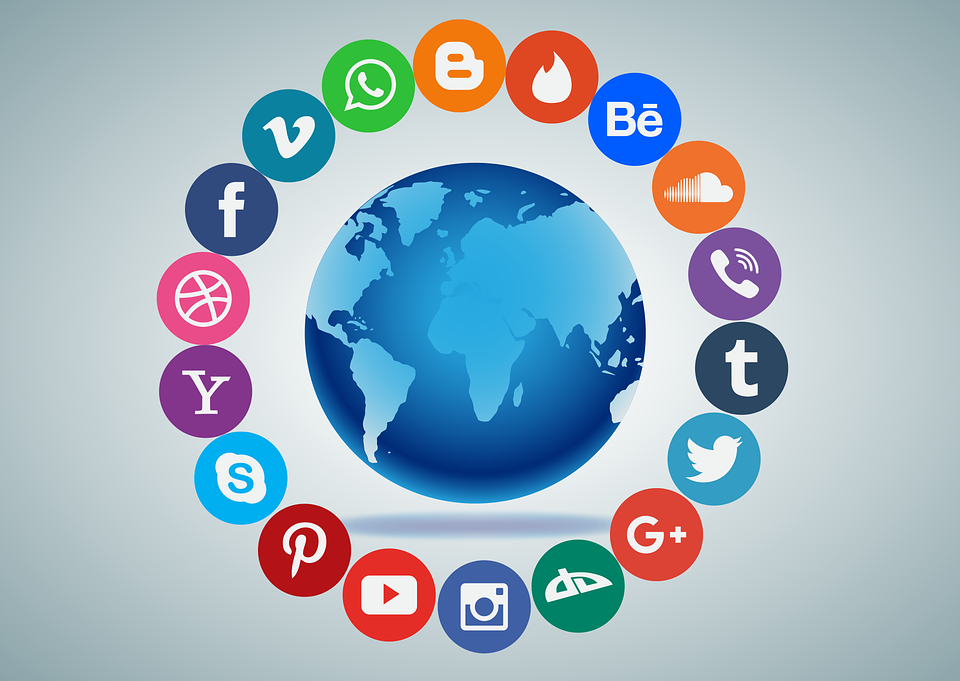
Subsequently, the increase in use has led to a corresponding increase in user-generated content and a increased reliance on user-shared content for news and updates. Newsfeed-based applications are increasingly being relied on by their users instead of traditional sources such as newspapers or Television. However, the fact that such sites are driven by user-shared content means people have less control over the sources of their news, and decreases reliability.

There are 2 major consequences from this shift towards social media-driven news. Firstly, there has been an increase in the spread of fake news through such social media sites. A high profile case recently was the alleged use of fake articles to influence the 2016 US presidential elections by Russian hackers. This shows the severe impact that a site previously used for a social function can have on a Country. There was a corresponding inquiry and reaction by the US government, and indeed several other countries have introduced new legislation to combat such news, including Singapore.
Secondly, the shift in the medium for news has led to people having shorter attention spans. The number of people relying solely on newspapers or the nightly news has decreased and many people supplement their news with inputs from social media. People, especially the younger generation now have a preference for bite-sized news updates and this feeds even more into the increase in social media usage.

Therefore, the question at the end of this must be: is the increase in convenience through this new model of news compromising the quality and accuracy of news we are exposed to?
 DiGiTure